Recovering from a cardiac event doesn’t happen all at once. It happens in the small choices that fill a day — what’s for lunch, whether the walk to the mailbox feels shorter than it used to, whether the morning pills got taken before coffee. Heart health and aging come down to these details more than any single big decision. The hard part is keeping up with it day after day, especially in those first few weeks home.
That’s often where a little extra support — a reminder, a hand with meals, a ride to a follow-up appointment — makes the difference between a routine that sticks and one that quietly slips. Families across Lauderhill run into this more often than they expect. This article looks at the daily habits that actually support recovery, and how home care can help hold that routine steady while independence comes back.
Heart Health and Aging — Why Small Habits Matter More Than Big Changes
As people get older, the heart and blood vessels change in ways that can raise the risk of heart disease, according to the National Institute on Aging. Several risk factors tend to show up together — high blood pressure, high cholesterol, excess weight, and diabetes among them — and coronary artery disease often develops quietly over years before it’s noticed. None of that means recovery has to be complicated.
It usually means the opposite: consistency matters more than intensity. Small lifestyle changes, kept up over time, do more for long-term heart health and overall health than any single overhaul ever could. The goal after a cardiac event isn’t to fix everything at once. It’s to build a rhythm that maintains itself, week after week, even on the harder days, so quality of life doesn’t get put on hold while recovery happens.
What Does Heart-Healthy Recovery Look Like at Home?
Recovery at home is rarely dramatic. It looks like a morning that starts on schedule, a lunch that includes something green, a short walk that gets a little longer each week.
It also comes with new responsibilities: following a treatment plan for a medical condition, remembering which medications go with food, staying in touch with the health care team about anything that needs watching. Most people find it easier to stick with a new routine when someone’s doing it alongside them. Recovery isn’t really about willpower — it’s about structure that holds, even on the harder days.
Warning Signs — Knowing What to Watch For After a Cardiac Event
Being aware of heart attack symptoms matters just as much after a first cardiac event as before one. According to the American Heart Association, warning signs include chest discomfort, pain or pressure spreading to the arms, neck, or jaw, and shortness of breath — and any of these occurring should prompt a call to 911, not a wait-and-see approach. The stakes are real: about 1 in 5 people who’ve had a heart attack will be hospitalized for a second one within five years, the American Heart Association reports.
That risk doesn’t mean living in fear or stressing about another cardiovascular event. It means having a plan, staying on top of follow-up care, and having someone else who also knows the warning signs — which is often where a family member or caregiver, simply by being present day to day, catches something early that might otherwise be missed.
Lifestyle Changes That Support Heart Health
Recovery begins with a handful of daily habits, built alongside prescribed treatments. Here’s what that looks like in practice, and where home care tends to fit in.
Medication Reminders — Keeping Doses on Track
Most people leave the hospital after a cardiac event with several new prescriptions to treat their heart condition, and taking them consistently matters. Research published in the Journal of the American Heart Association has found that patients who stay on top of post-discharge medications face a meaningfully lower risk of hospital readmission for heart failure or a related event than those who fall behind.
That benefit compounds over time. This isn’t a one-week effort, it’s a months-long one. Missed doses are rarely about forgetfulness alone; they’re about a new routine competing with old habits while someone is still recovering. How can home care help? A caregiver keeps track of the schedule so nothing gets missed, without the added weight of managing it solo.
Exercising Regularly — Rebuilding Strength Without Overdoing It
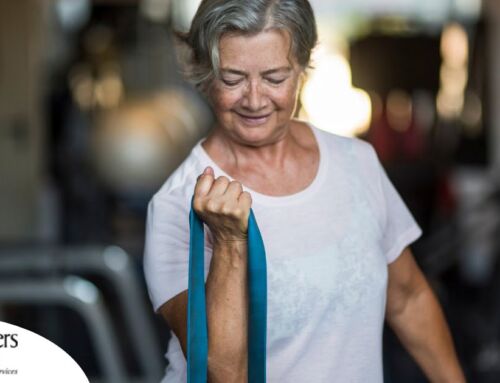
Movement helps the heart heal, but it needs to be the right kind and the right amount. Think brisk walking, not weightlifting — with clearance from a doctor or cardiac rehab team before starting. A resting heart rate that trends steadier over time is often one of the clearest signs recovery is on track.
The challenge is usually less about motivation and more about safety: walking alone can feel risky in those early weeks, and getting enough rest in between matters just as much as staying active. Having someone nearby for a daily walk, even a short one, tends to be what actually gives your loved one the confidence to get the habit started and keep the body moving in the right direction.
Balanced Meals — Eating for a Heart-Healthy Recovery
Diet after a cardiac event isn’t about strict rules. It’s about steady patterns — more vegetables, less sodium, less red meat, prepared consistently enough that it becomes normal rather than a project. Quitting smoking, where it applies, and keeping weight in a healthy range both do real work to protect the heart and lower future risk. Meal preparation support doesn’t have to mean elaborate menus. Often it just means someone made sure a real meal happened, even on a harder day.
Emotional Support — Caring for the Whole Person
A cardiac event affects more than the heart. Anxiety, low mood, and disrupted sleep are common in the weeks that follow, and they deserve real attention, not just physical recovery. Simple tools — deep breathing exercises, a consistent bedtime, time with loved ones — can meaningfully support emotional well-being alongside physical healing. Rest matters here in a different way than it does with exercise: it’s less about the body recovering and more about giving the mind room to catch up. Emotional support from a familiar, steady presence, whether that’s family or a trusted caregiver, tends to make this part of recovery feel far less isolating.
How Home Care Supports Heart Health at Home in Lauderhill
None of these habits require doing everything perfectly, and none of them require doing it alone. Independence after a cardiac event doesn’t mean managing recovery solo — it means having the right supports in place so the routine holds even on the harder days. For families in Lauderhill and Boca Raton, Aventura, Miami, Fort Lauderdale, West Palm Beach, and Broward, Palm Beach, and Miami-Dade counties, that often looks like a caregiver helping with medication reminders, preparing heart-healthy meals, and providing transportation to follow-up appointments — three of the most common ways home care fits into a recovery routine without taking it over.
The benefit shows up less in any single task and more in the peace of mind that comes from knowing someone’s paying attention to the details, day after day, so a family’s future feels a little less uncertain. CareGivers of America offers a full range of services designed to support seniors at home, including Dementia Care, Companion Care, Fall Prevention, Geriatric Care Management, 24-Hour Care, Light Housekeeping, Meal Preparation, Medication Supervision, Parkinson’s Care, Personal Care, Respite Care, Special Needs Care, Stroke Care, and Transition Care. We focus on helping recovery feel manageable, rather than overwhelming. If your family is navigating life after a cardiac event, reaching out for a conversation about what day-to-day support might look like is often the easiest first step.